Tip & Trick
Mastering keyboard shortcuts can transform your typing speed and efficiency. These 10 underused symbols starting with 'A' offer hidden productivity boosts—from advanced formatting to niche technical functions—most users never discover.
Alt Code Symbol Access in Windows
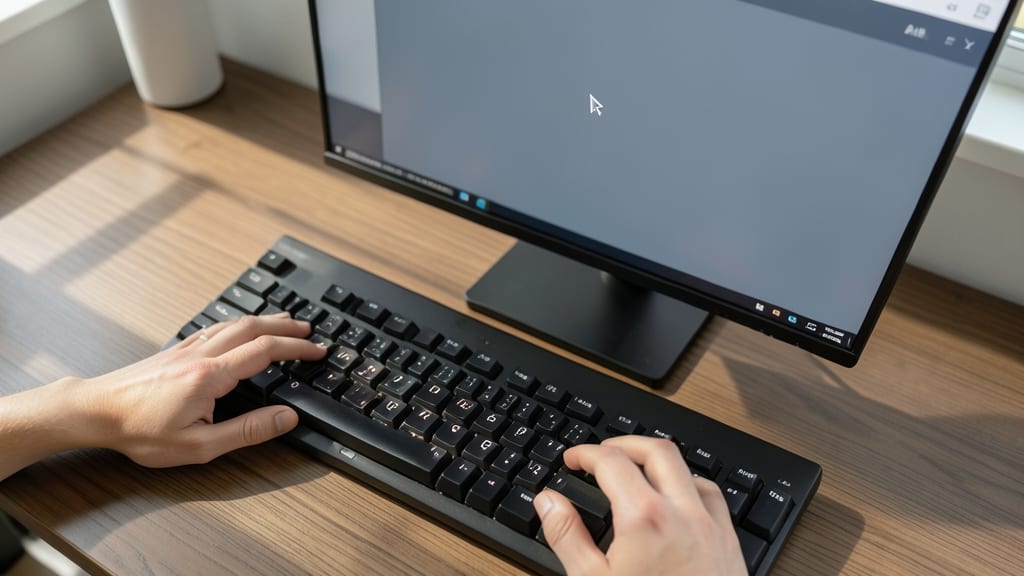
Tired of digging through endless menus just to insert a copyright symbol (©) or euro sign (€)? Windows’ Alt code shortcut lets you type these symbols in seconds—no tracking down special characters or switching layouts. Simply hold Alt, type the code (e.g., 0169 for © or 0128 for €), then release Alt, and boom: instant symbol insertion across Word, Excel, or even code comments.
This method works for hundreds of symbols, from trademarks (™, Alt+0153) to degree signs (°, Alt+0176). No font issues or copy-paste hassles—just pure, reliable typography. Best of all, it’s universal across all Windows apps, so your documents stay consistent whether you’re drafting a legal contract or annotating a spreadsheet.
Perfect for writers, marketers, or developers who need to insert special characters frequently. Master this trick, and you’ll save minutes daily—no more hunting for symbols or dealing with formatting quirks. ⚡
Accented Letters via Alt+Numpad
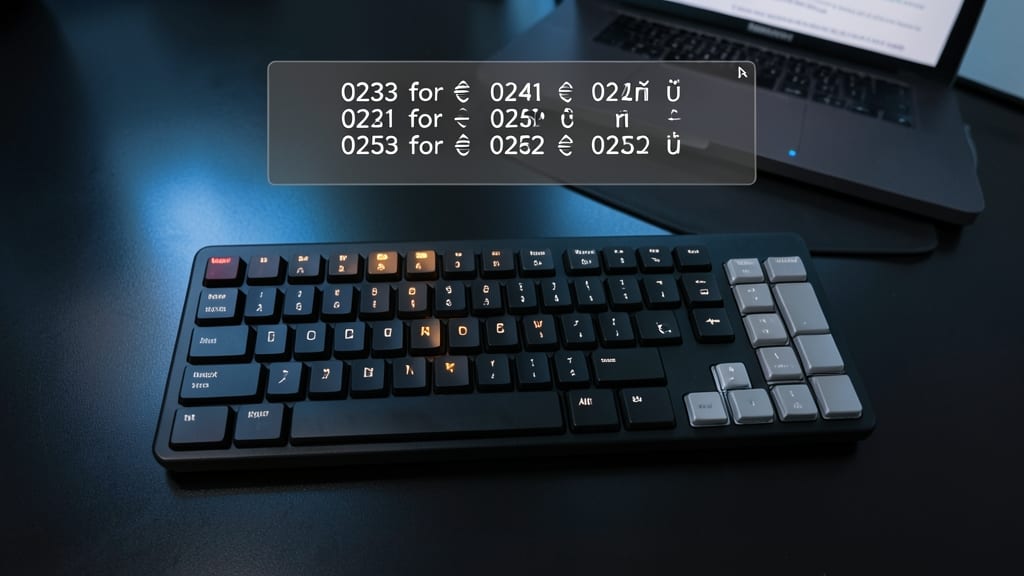
Struggling to type accented letters like é, ñ, or ü without switching keyboards? The Alt+Numpad method lets you insert them instantly—no language packs or special layouts required. Just enable NumLock, press Alt, type the code (e.g., 0233 for é), then release Alt. This works in Word, Excel, or even coding comments, making it perfect for multilingual documents or language learners.
Here’s the cheat sheet: é (0233), ñ (0241), ü (0252)—just a few keystrokes away. Unlike manual copy-pasting, this method ensures consistent formatting across fonts and devices. No more hunting for symbols in menus or dealing with font mismatches.
Ideal for writers, students, or developers working with multiple languages—save time and keep your documents clean and professional. ⚡
Arrow Symbols for Diagrams
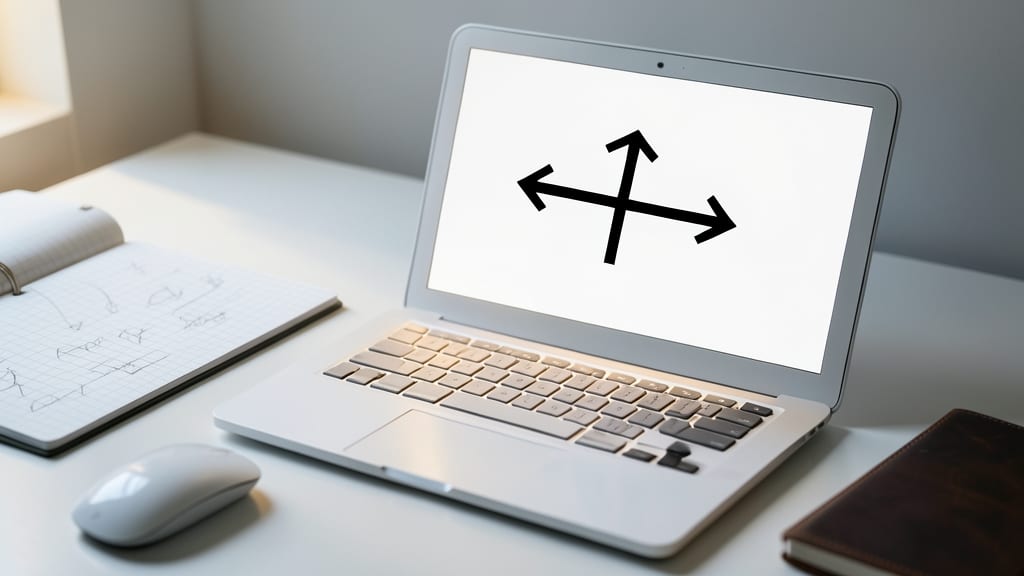
Need perfectly aligned arrows for flowcharts, wireframes, or presentations without fumbling with drawing tools? The arrow symbols (↑, ↓, ←, →) are your secret weapon—insert them instantly via Alt codes (e.g., Alt+26 for ↑, Alt+27 for ↓) for crisp, scalable vectors every time.
These symbols render cleanly in any document (Word, PowerPoint, or even code comments) and support bold/italic variants (↑↑, ↓↓) for emphasis. No more squinting at hand-drawn arrows or misaligned shapes—just type, paste, and let the system handle the precision. Best of all, they’re font-independent, so your diagrams stay sharp across devices.
Perfect for tech writers, UX designers, or educators crafting visual guides—save hours of manual tweaking and keep your diagrams crisp and professional. ⚡
Angstrom Unit in Technical Docs
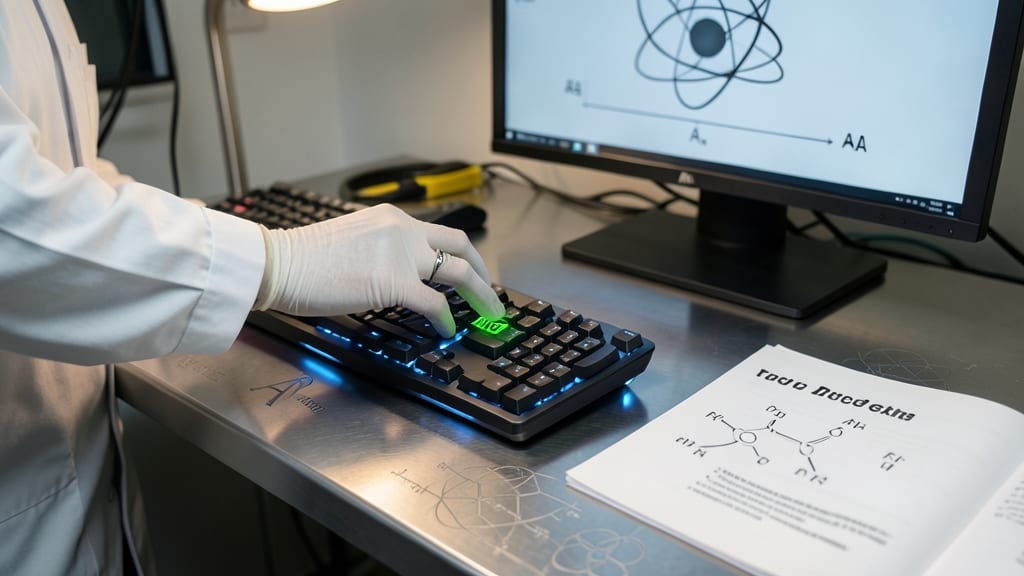
For scientists and engineers, the angstrom (Å) isn’t just a unit—it’s the standard for measuring atomic-scale distances. Typing it manually (A with a ring) risks errors, but Alt+0197 inserts the precise Å symbol instantly, ensuring your technical documents meet professional standards.
The angstrom equals 0.1 nanometers, critical for fields like crystallography or nanotechnology. Unlike handwritten approximations, this method guarantees consistent formatting across lab reports, research papers, or CAD schematics. No font issues or misalignments—just clean, accurate typography every time.
Perfect for material scientists, physicists, or engineers drafting precision documents where even a single character matters. ⚡
Asterisk for Bulleted Lists
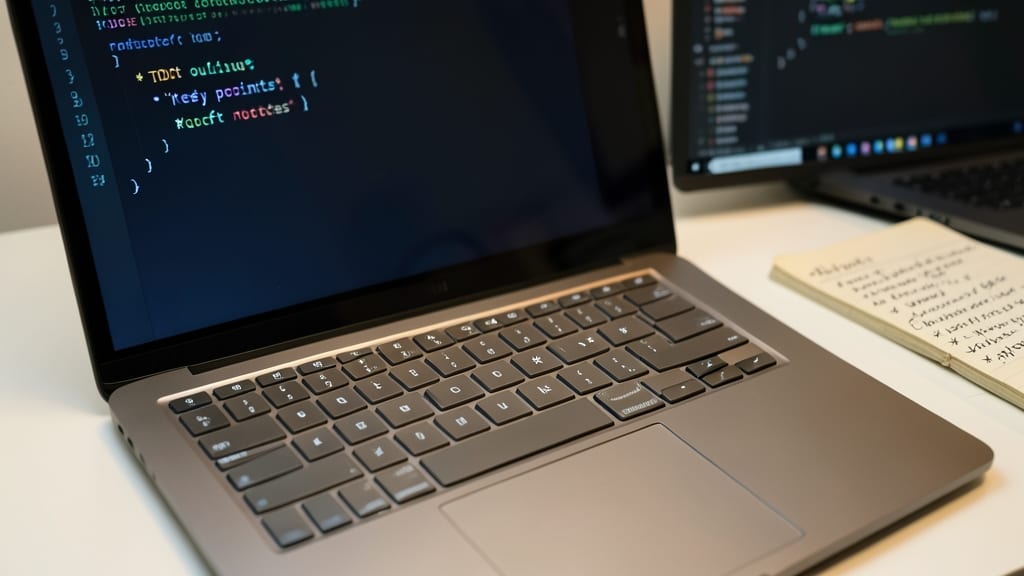
Tired of fiddling with formatting tools just to create a simple bulleted list? The humble asterisk (*) is your secret weapon—turning plain text into structured lists with zero effort. Whether you're drafting a Markdown document, writing code comments, or jotting down quick notes, this symbol transforms raw text into clean, scannable lists instantly.
In Markdown, type item to create a bullet point—no extra tools required. For programming, many languages (like Python or JavaScript) recognize as a comment prefix, so you can even combine functionality with readability. The asterisk also works in Slack, GitHub, and Reddit, making it the ultimate cross-platform shortcut for collaboration.
Developers, writers, and note-takers will love this zero-config solution. Perfect for brainstorming sessions or technical documentation where speed matters more than polished formatting. ✨
At Symbol for Email Addresses
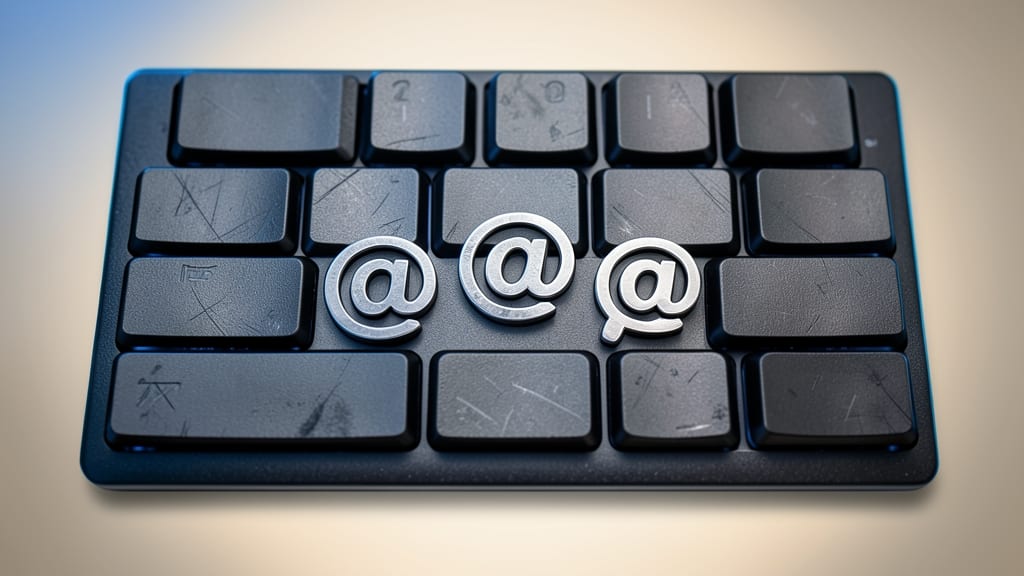
The @ symbol isn’t just for emails—it’s a global standard with hidden variations that matter. Whether you’re typing in Portuguese, Spanish, or Vietnamese, the right accented @ ensures your messages display correctly and professionally.
Most keyboards lack the @ with accents (like @́, @̃, or @̀), but you can insert them via Unicode input (e.g., type @ + Alt + 0241 for @́) or Character Map on Windows. For macOS, use Option + Shift + 2 followed by the accent key. These variations prevent miscommunication in international emails or domain names.
Developers, marketers, and global teams benefit most—using the correct @ symbol avoids formatting errors and ensures clarity. ⚡
Alpha Symbol in Math Equations
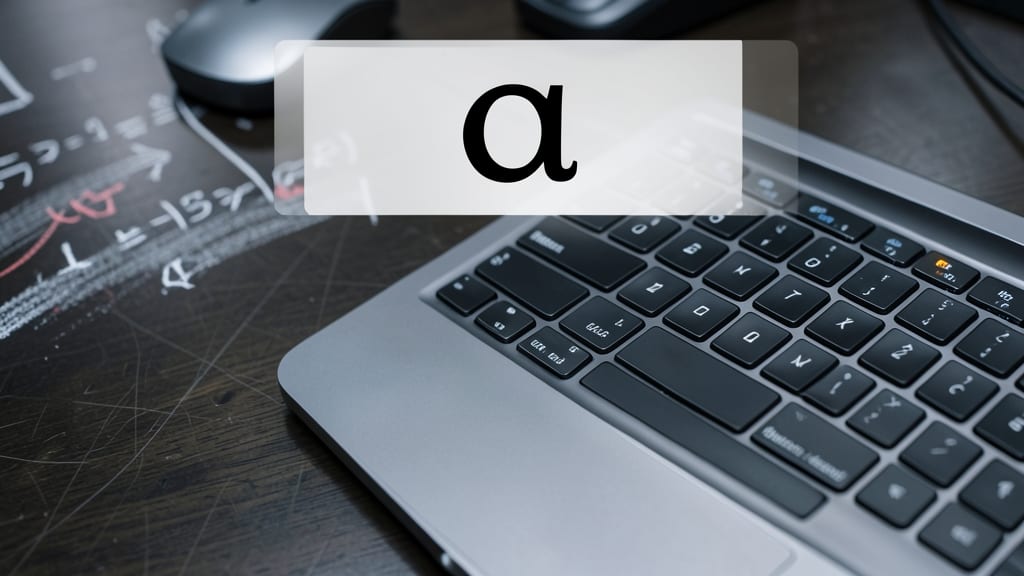
Struggling to type the Greek letter α (alpha) in your equations? This elegant symbol isn’t just for textbooks—it’s the backbone of physics formulas, statistical notation, and even programming variables. Instead of hunting through symbol menus, just press Alt+0945 on Windows (NumLock on) for instant insertion.
The α symbol represents everything from angular acceleration in physics to learning rates in machine learning algorithms. It’s also the default variable in LaTeX documents, where proper formatting matters. Unlike other symbols, alpha’s clean, lowercase shape ensures clarity in both handwritten and digital equations.
Perfect for students, engineers, and data scientists who need precise notation without formatting headaches. Master this shortcut, and you’ll save minutes daily—especially when drafting complex equations. ✨
Ampersand in Legal Documents
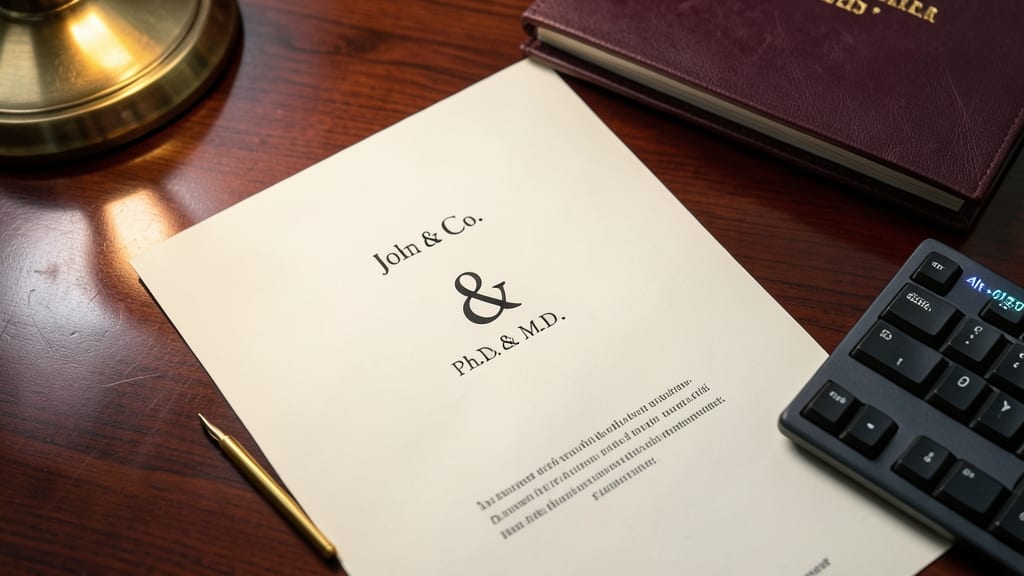
Legal documents demand precision, and the ampersand (&) is a staple for formal partnerships like "John & Co." or abbreviations like "Ph.D. & M.D." But typing it correctly can be tricky—especially when you need the proper typographic version (not the slanted web-style one).
Use Alt+0150 on Windows to insert the correct serif-style & (like in Times New Roman) that matches professional contracts. This method works in Word, PDFs, and even code comments where formal symbols matter. For macOS/Linux, try Option+Shift+6—but Windows users will find Alt codes far more reliable for consistency.
Lawyers, contract writers, and even developers documenting formal partnerships will appreciate this zero-config shortcut to avoid font mismatches. ⚡
Approximate Equals in Data
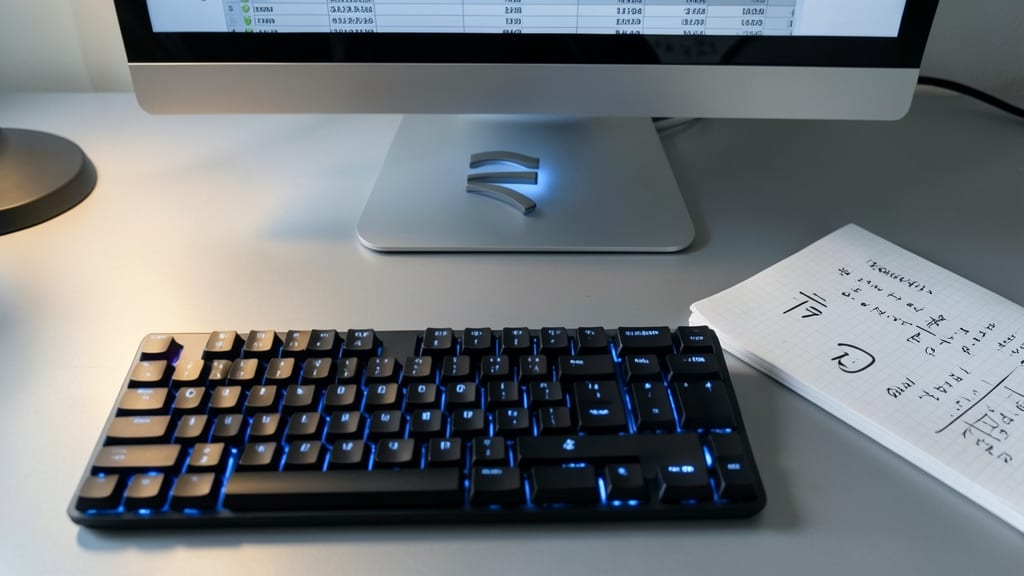
Tired of typing "approximately" when a single symbol could convey the same meaning? The ≈ (approximate equals) symbol is your secret weapon for data-heavy documents, spreadsheets, or research papers. Just press Alt+0877 on Windows to insert it instantly—no hunting through menus or copy-pasting from the internet.
This symbol isn’t just for math classes; it’s a time-saver for financial reports (e.g., "Revenue ≈ $50K"), scientific papers, or even casual notes where precision matters. Unlike "~" or "~=" variations, ≈ is universally recognized in technical fields, ensuring clarity without ambiguity. Works seamlessly in Excel, Word, LaTeX, and coding comments too.
Perfect for analysts, engineers, or anyone crunching numbers—add it to your shortcut arsenal today. ⚡
Arrowhead for Presentations
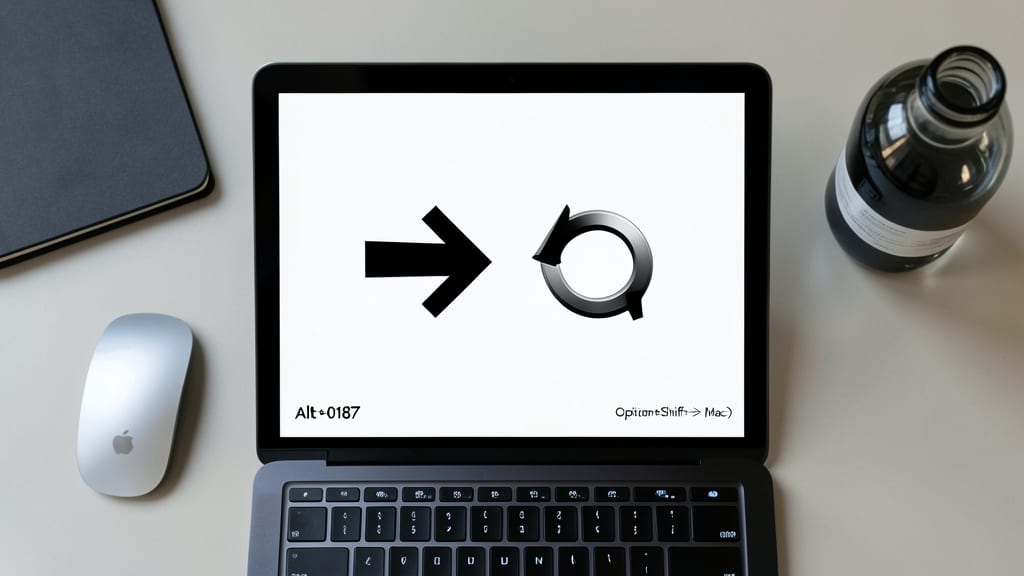
Tired of basic arrows in your presentations? The → (right arrowhead) and ↻ (circular arrow) symbols instantly elevate your slides or user guides with a sleek, modern touch.
Type → via Alt+0187 (Windows) or Option+Shift+→ (Mac) for sleek directional cues. The ↻ (Alt+0188) creates a polished loop for processes like "Repeat Steps." Both symbols work seamlessly in PowerPoint, Google Slides, and Markdown—no design skills required.
Perfect for trainers, designers, or anyone who wants to ditch the default arrow icons. Your audience will notice the upgrade! ✨