
Software
Data breaches cost businesses billions yearly—yet many overlook internal safeguards that form the first line of defense. These 10 proven cybersecurity layers help modern companies lock down sensitive data before threats even reach the perimeter.
Role-Based Access Control Implementation
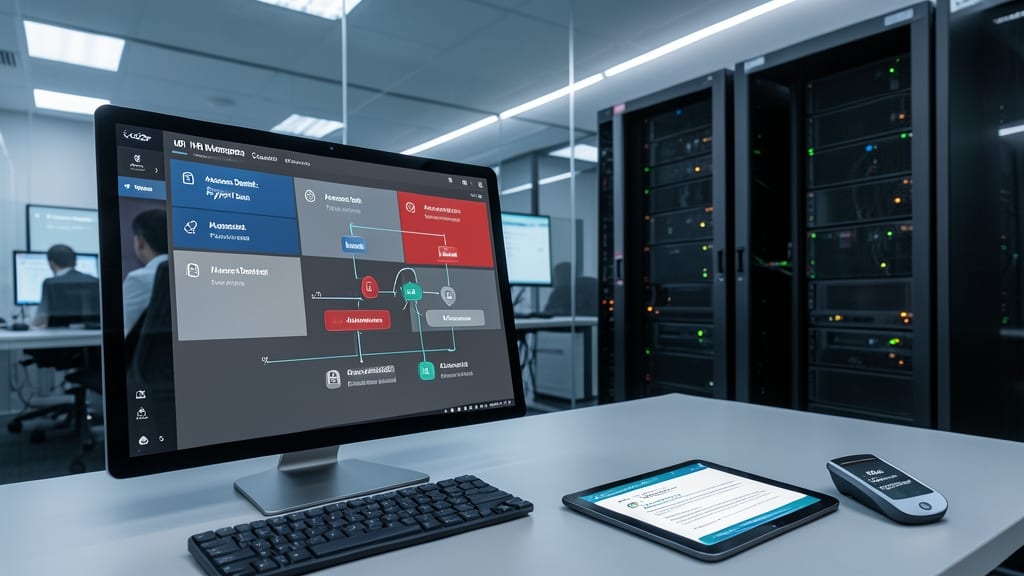
Tired of hearing about external hackers when most data breaches start with someone inside your company? Role-Based Access Control (RBAC) solves this by ensuring employees only access what they need for their job—and nothing more.
With RBAC, you define permissions tied to roles (e.g., HR Manager vs. Marketing Intern), eliminating broad admin access that invites mistakes or misuse. Solutions like Microsoft Azure AD or Okta automate this, syncing with Active Directory to enforce rules instantly. Studies show RBAC reduces insider threats by up to 70%—because even well-meaning employees can’t accidentally (or intentionally) expose data outside their scope. ⚡
Automated Data Encryption for Sensitive Files

Imagine losing a laptop with unencrypted customer records—or worse, having an email with sensitive contracts intercepted mid-transit. Automated data encryption turns these nightmare scenarios into moot points by locking files with military-grade algorithms before they ever leave your systems.
Modern solutions like VeraCrypt or Microsoft Azure Information Protection encrypt files at rest (on devices) and in transit (emails, cloud transfers) using AES-256 or RSA-4096—standards that would take supercomputers years to crack. The best systems integrate seamlessly with Microsoft 365 or Google Workspace, applying encryption policies automatically without manual tagging. Even if a device is stolen or an email is intercepted, the data remains completely unreadable without the proper decryption keys.
This safeguard is non-negotiable for industries handling HIPAA, GDPR, or PCI-compliant data, but it’s equally critical for any business storing customer records, financials, or trade secrets. The peace of mind alone makes it worth the investment. 🔧
Endpoint Detection and Response Systems

Imagine discovering a breach before it causes damage—Endpoint Detection and Response (EDR) systems do exactly that by monitoring every device on your network in real-time. Unlike traditional antivirus, EDR analyzes behavior, not just signatures, to stop ransomware or malware from spreading like wildfire across your systems.
Leading solutions like CrowdStrike Falcon or Microsoft Defender for Endpoint provide AI-driven threat detection, automated containment, and detailed forensic reports to investigate incidents. They integrate with existing security tools and offer less than 1% false positives, ensuring minimal disruption while keeping your data safe.
This is a must-have for businesses handling sensitive data—especially healthcare, finance, or legal firms where compliance and rapid response are critical. ⚡
Multi-Factor Authentication for All Accounts
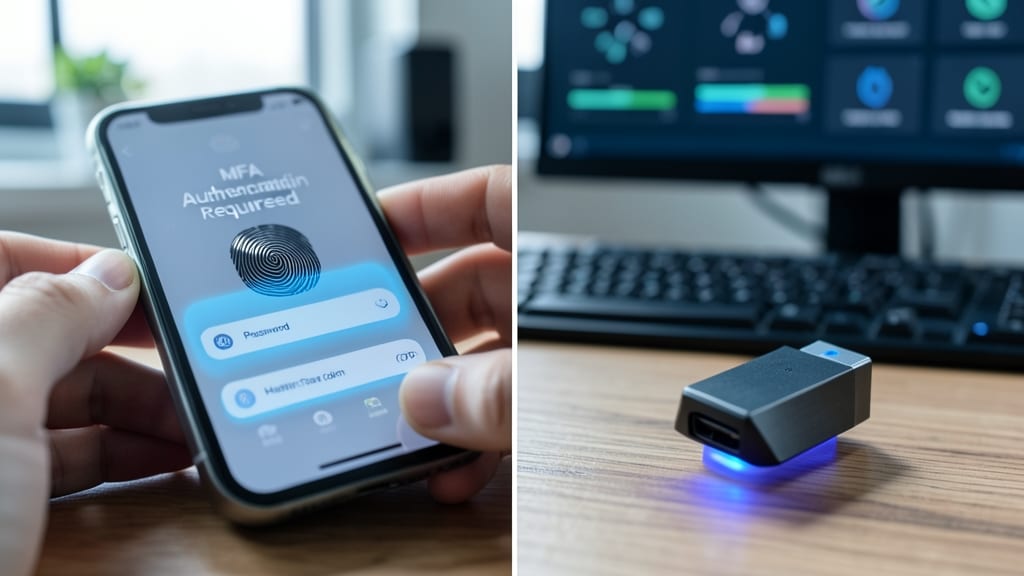
Tired of relying on passwords alone? Multi-Factor Authentication (MFA) adds an extra layer of security by requiring a second form of verification—whether it’s a fingerprint, hardware token, or one-time code—after entering your password.
With MFA, even if hackers steal your credentials (a common tactic in data breaches), they still can’t access your accounts without the secondary verification. Tools like Microsoft Authenticator, Duo Security, or Google Authenticator make setup seamless, supporting biometrics, SMS codes, or hardware keys for maximum flexibility. Most platforms now offer zero-configuration MFA for employees, reducing friction while boosting security.
This is a must-have for remote teams, finance departments, and any role handling sensitive data. Implementing MFA across all accounts cuts credential-based breaches by 99.9%, making it one of the simplest yet most effective safeguards. ✨
Regular Security Awareness Training Programs

Even the most advanced firewalls can’t stop a click-happy employee from falling for a fake CEO email. Security awareness training turns your workforce into the strongest link in your defense chain by teaching them to recognize phishing, vishing, and social engineering attacks before they cause damage.
Modern programs like KnowBe4 or PhishMe deliver simulated attacks tailored to your industry, with real-time feedback and refresher courses every 3-6 months. Studies show companies with ongoing training see 70% fewer successful phishing attempts—and the cost of a single breach is often enough to fund a full year of employee education.
This isn’t just for IT teams—every department benefits, from finance spotting invoice scams to HR avoiding credential harvesting. Start with a quarterly phishing test and watch your human firewall get stronger. 💪
Network Segmentation for Critical Systems

Imagine a breach hits your marketing team’s shared drive—but thanks to network segmentation, the attacker can’t jump to finance or HR systems. This strategy creates digital walls between departments, limiting an attacker’s ability to move laterally and escalate damage.
By isolating critical systems like HR databases or financial records into separate VLANs or micro-segmented zones, you contain threats before they spread. Tools like Palo Alto Networks or Cisco’s SD-Access automate these boundaries, enforcing granular access rules. Even if one segment is compromised, the rest remain untouched—no lateral movement, no data exfiltration.
This is ideal for companies handling regulatory-sensitive data (HIPAA, PCI-DSS) or those with high-value intellectual property. Smaller teams can start with simple VLANs, while enterprises deploy AI-driven segmentation for dynamic threat containment. 💪
Automated Patch Management Systems

Cybercriminals don’t wait for your IT team to manually apply updates—automated patch management systems close vulnerabilities in seconds, blocking exploits like the infamous EternalBlue before they can spread. Unlike reactive security tools, these systems proactively deploy patches across all endpoints, servers, and applications without human intervention.
Solutions like ManageEngine Patch Manager Plus or SolarWinds Serv-U offer real-time vulnerability scanning, prioritized patch deployment, and compliance reporting. They handle everything from Windows OS updates to third-party software fixes, reducing downtime while ensuring 99.9% coverage. Many integrate with SIEM tools for seamless threat intelligence sharing.
This is a must-have for organizations with mixed environments—especially those handling sensitive data like healthcare or finance. A single unpatched system can become the weak link in your entire defense. ⚡
Secure Document Handling Policies

Forget digital threats for a moment—what if the real risk is sitting in your office trash can? Secure Document Handling Policies ensure even lost or discarded records can’t expose sensitive data, whether physical or digital.
Start with mandatory encryption for all documents, both paper (via secure PDFs) and physical (using NAID AAA-certified shredders for paper). Every access attempt gets logged, so you’ll know exactly who viewed or printed what. For digital files, enforce auto-deletion after 30 days unless explicitly retained, with audit trails for compliance.
This isn’t just for legal departments—finance, HR, and R&D teams handle the most sensitive records daily. By treating every document like a potential breach waiting to happen, you turn passive compliance into proactive protection. ✨
Behavioral Analytics for Anomaly Detection
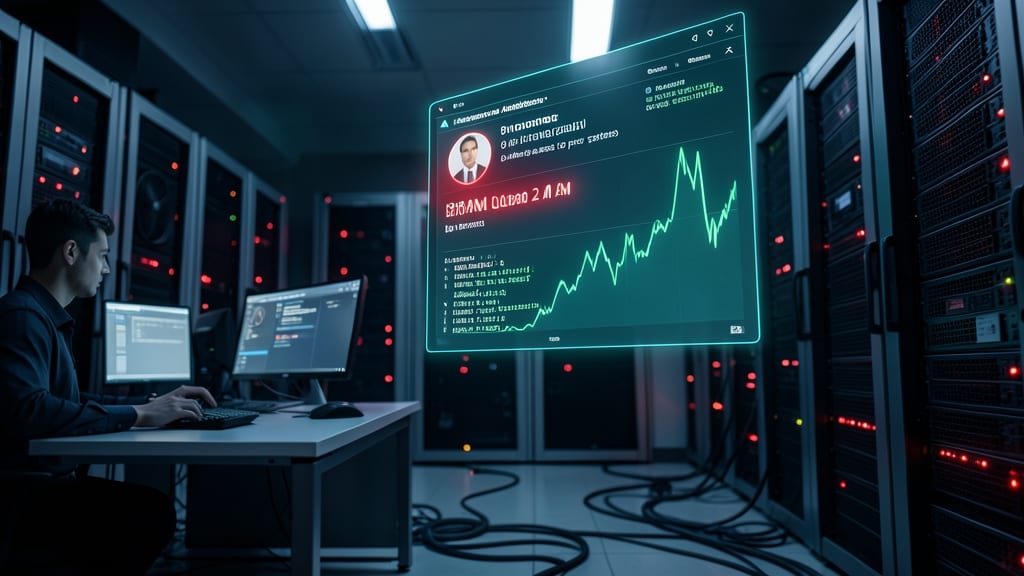
What if you could catch a breach before it even happens? Behavioral analytics for anomaly detection does exactly that by using AI to flag unusual activity—like a finance employee accessing payroll data at 2 AM—that often signals a compromised account.
These systems learn normal user patterns (login times, file access, device usage) and trigger alerts when deviations occur. Tools like Darktrace or Exabeam analyze millions of data points per second, catching insider threats or credential stuffing attacks before they escalate. The best solutions integrate with SIEM platforms for automated response workflows.
Ideal for industries handling sensitive data (healthcare, finance, legal), behavioral analytics turns passive monitoring into proactive defense. 💡
Incident Response Plan Documentation

When a breach hits, every second counts—and a predefined incident response plan turns chaos into action. Unlike reactive measures, this documentation maps out clear roles, escalation paths, and containment steps before panic sets in, ensuring your team responds with precision under pressure.
Think of it as a playbook for cyber crises, including templates for communication (internal/external), forensic investigation checklists, and predefined recovery timelines. Tools like Splunk or IBM Resilient integrate with this framework to automate alerts and streamline workflows, while compliance mandates (e.g., NIST SP 800-61) often require this as a baseline. The key? Regular drills to test response times and refine procedures.
This safeguard is non-negotiable for regulated industries (healthcare, finance) but equally critical for any business handling sensitive data. A well-documented plan isn’t just a legal box to check—it’s the difference between a contained incident and a full-blown disaster. ✨