
Troubleshooting
Social media oversharing isn’t just about embarrassing posts—it can expose you to real-world risks. From identity theft to cyberstalking, these 10 dangers reveal how your online habits might be putting your privacy (and safety) at serious risk.
Identity Theft Through Location Tags
Your "checking in" at coffee shops or gyms might seem harmless, but those geotags create a digital breadcrumb trail for criminals. Every time you share your real-time location, you’re unknowingly broadcasting when your home is empty—making it the perfect opportunity for targeted burglaries or theft.
Platforms like Instagram and Facebook automatically attach location metadata to posts unless disabled. Even "private" accounts can be scraped by stalkers or sold on dark web forums. Studies show 60% of burglars case homes using social media—so that vacation selfie isn’t just bragging; it’s an open invitation. Criminals can correlate check-ins with your sleep schedule, commute times, and even pet-walking routines.
If you’re a frequent traveler, remote worker, or parent, this risk is even higher. A simple fix? Disable location services for social apps and review past posts for hidden geotags. Your home’s safety isn’t worth a few extra likes. 💻
Phishing Scams Using Personal Details
That birthday post you shared last week might seem harmless, but scammers use it to craft hyper-personalized phishing emails that trick even security-savvy users. A simple "Happy Birthday, Max!" can become the perfect hook for an attacker impersonating your pet’s vet or a "friend" in an emergency.
These attacks bypass basic security by referencing specific details like your child’s school, favorite vacation spots, or even inside jokes. For example, a fake "bank alert" might read: "Hi [Name], we noticed suspicious activity on your account—your usual login device (iPhone 13) tried accessing funds from Miami." Without that context, multi-factor authentication (MFA) feels redundant.
Small business owners and freelancers are especially vulnerable—scammers target them with fake invoices or "client emergencies" using details from LinkedIn. A quick privacy audit (limit profile visibility, avoid pet names as passwords) can shut down their playbook. 💡
Cyberstalking From Shared Relationship Status
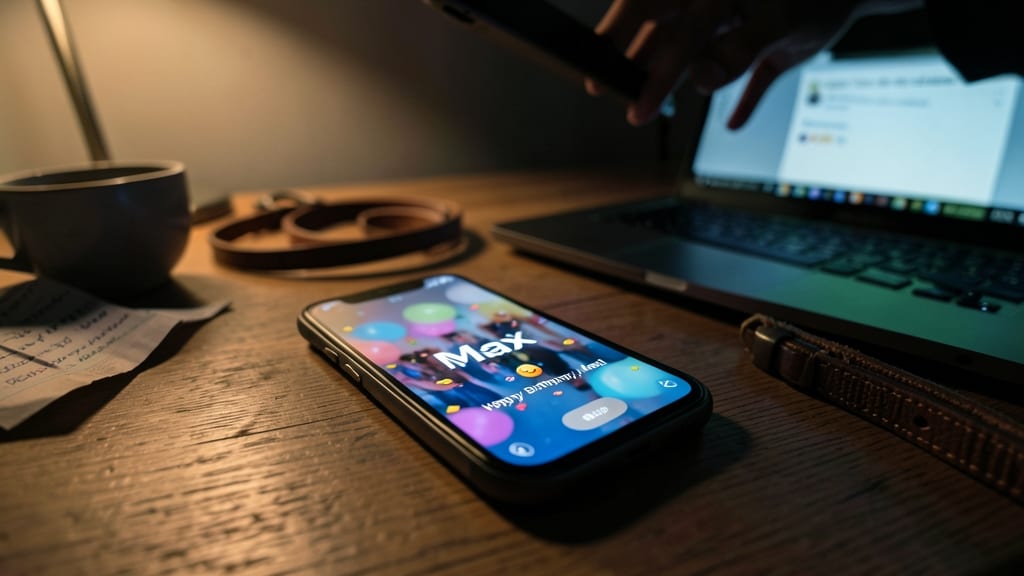
That heartbreak post you shared might seem cathartic in the moment—but it could also signal an open invitation to stalkers. Studies show 42% of stalking victims report their harasser first noticed them through social media, with relationship status updates being a top trigger for unwanted attention.
Stalkers often exploit public breakup announcements or new relationship milestones to track your movements, gather intel for manipulation, or even stage confrontations. Platforms like Facebook and Instagram lack built-in warnings for these risks, leaving users vulnerable even with private accounts. A single post can reveal your location history, mutual connections, and emotional state—all prime targets for harassment campaigns.
Victims of cyberstalking often describe the creepiest tactic: stalkers commenting on posts or sending messages pretending to be supportive, only to later escalate threats. If you’ve ever shared a relationship update, take two minutes to restrict visibility and enable comment filters—small steps that can block the most dangerous predators. 💻
Job Loss From Controversial Posts
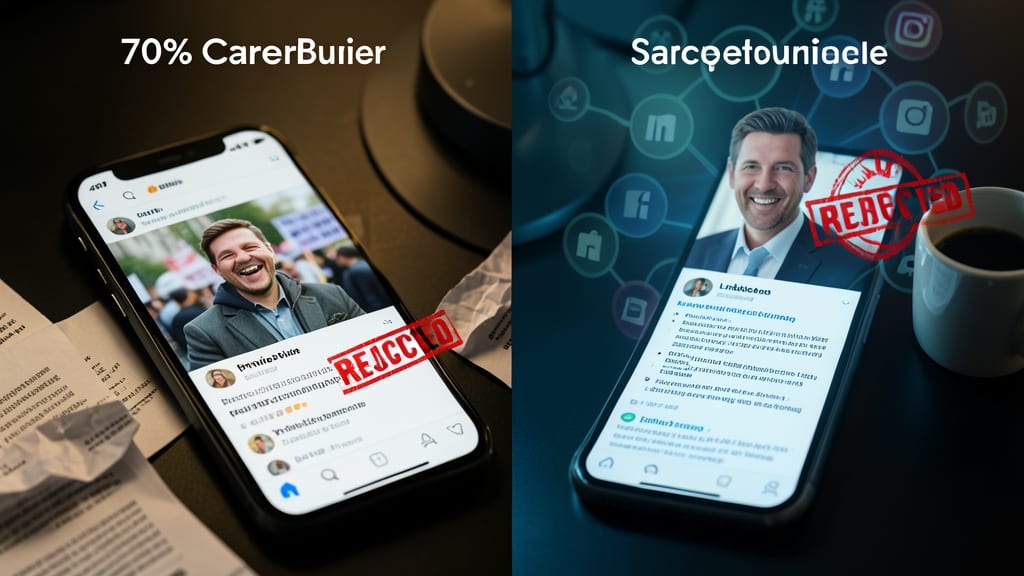
Your "private" social media posts aren’t as hidden as you think—70% of employers now screen candidates’ profiles, and 43% have rejected applicants over controversial content, according to CareerBuilder. Even "private" accounts can be accessed through LinkedIn connections, mutual friends, or public caches, turning a casual rant into a career-limiting move.
What gets flagged? Political posts (even if nuanced), offensive humor, or industry criticism—all of which can clash with company values. A single viral tweet about a past employer or a heated debate can resurface in a background check, especially for roles in HR, marketing, or customer-facing positions. Even deleted posts linger in screenshots or third-party archives, making digital damage permanent.
Freelancers, remote workers, and job seekers are most vulnerable, but no one is safe—HR teams now use AI-powered screening tools like HireRight or Checkster to scan for red flags. The fix? Treat every post as public and audit your digital footprint regularly. 💻
Blackmail Risks From Oversharing Intimate Details
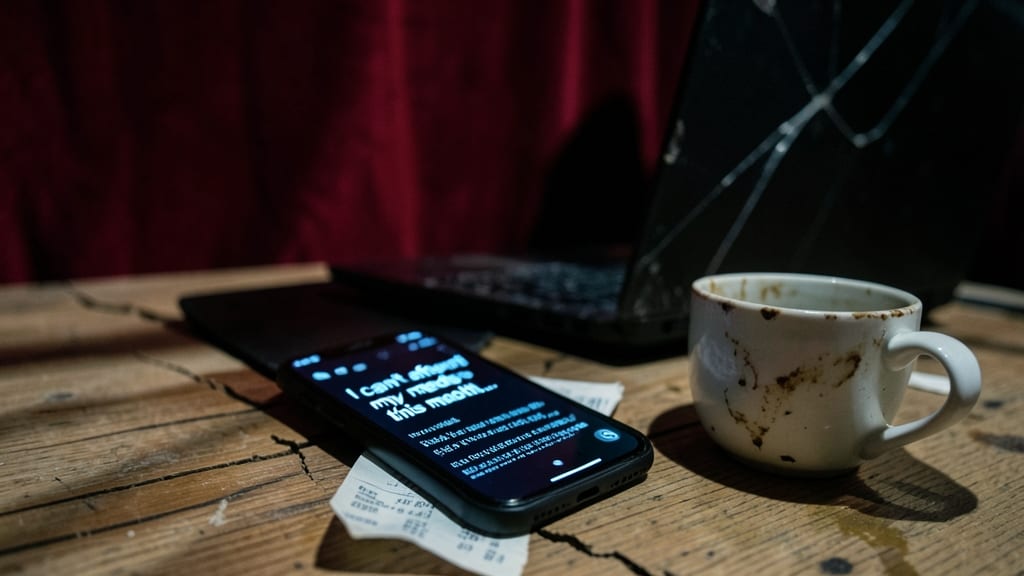
That "venting session" you posted about your financial stress or health struggles might seem cathartic—but it could also be a goldmine for blackmailers. Criminals scour social media for private confessions, then use them to demand money or silence victims, often exploiting emotional leverage.
Even a single post about debt, infidelity, or past mistakes can be weaponized. Dark web forums trade this kind of intel, and automated tools can scrape years of old posts to build a dossier. Platforms like Facebook and Instagram also store metadata, making it easier for predators to track your digital footprint.
If you’ve ever shared something you’d regret in public, assume it’s already in the wrong hands. Delete old posts, limit audience visibility, and never post anything you wouldn’t want a stranger to exploit. 💪
Targeted Scams Using Family Information
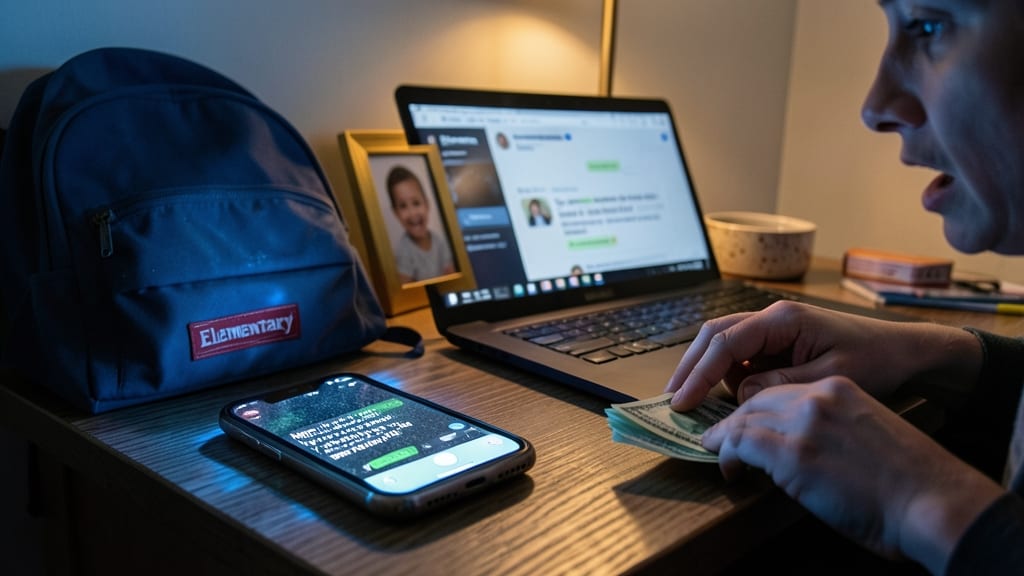
One of the most terrifying scams today uses family details you’ve casually posted online—like your child’s name, school, or even your pet’s breed—to impersonate loved ones in fake emergencies. Scammers exploit this to pressure you into sending money or revealing sensitive info, often under false urgency like "Your daughter’s been in a car crash!"
These attacks rely on publicly available info—school photos, pet names, or even vacation posts with kids’ faces—to craft convincing stories. A 2023 FBI report found scams involving family impersonation surged by 40% year-over-year, with victims losing an average of $2,500 per incident. The scariest part? Many fall for it because the scammer mimics a loved one’s voice or tone perfectly.
Parents and pet owners are especially vulnerable, but anyone with family online is at risk. Double-check who’s calling before acting—scammers often spoof phone numbers. If in doubt, call the family member directly using a verified number. 💪
Social Engineering Attacks From Shared Routines
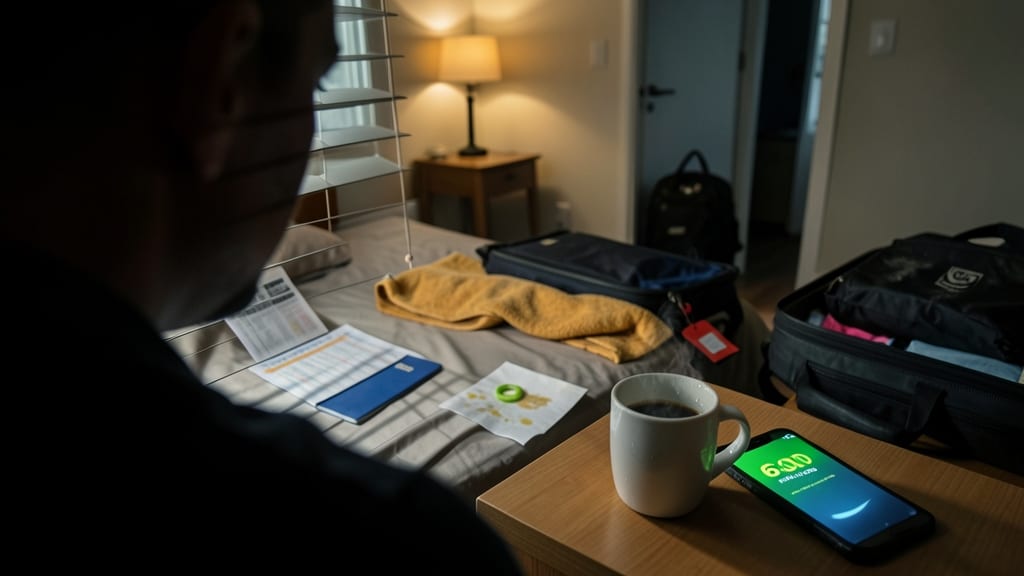
Your morning coffee routine might seem harmless, but posting about your daily gym trips at 6 AM or weekend vacations could turn your life into an open playbook for criminals. Social engineers use these details to time burglaries, car break-ins, or even kidnapping attempts when they know you’re away.
Criminals monitor platforms like Facebook, Instagram, and Nextdoor for patterns—like your consistent 5 PM commute or announced travel dates. A single post about leaving for a conference can trigger a targeted home invasion within hours. Even "check-in" notifications for local coffee shops reveal when your house is empty.
This risk isn’t just for celebrities—suburban families, remote workers, and small business owners are prime targets. A quick audit of your social media history could reveal more than you realize. 💪
Discrimination Or Harassment From Biased Posts
Your strongly held opinions—whether political, religious, or about personal health—can backfire when posted online. A single controversial tweet or medical update might seem harmless, but algorithms, employers, or even landlords can use it to discriminate against you in hiring, housing, or services.
Platforms like Facebook and LinkedIn now scan posts for bias-related content, flagging users for hate speech policies or workplace violations. Even "private" accounts aren’t safe—70% of employers screen candidates’ social media, per CareerBuilder, and landlords increasingly check profiles before renting. A 2023 Pew Research study found that 42% of Americans avoided expressing certain views online due to fear of backlash.
If you’re in a protected class (e.g., LGBTQ+, disabled, or minority), the risks escalate further. Always use platform privacy tools (e.g., Instagram’s "Close Friends" lists) and avoid geotagging sensitive posts to limit exposure. 💪
Financial Fraud From Shared Purchase Photos
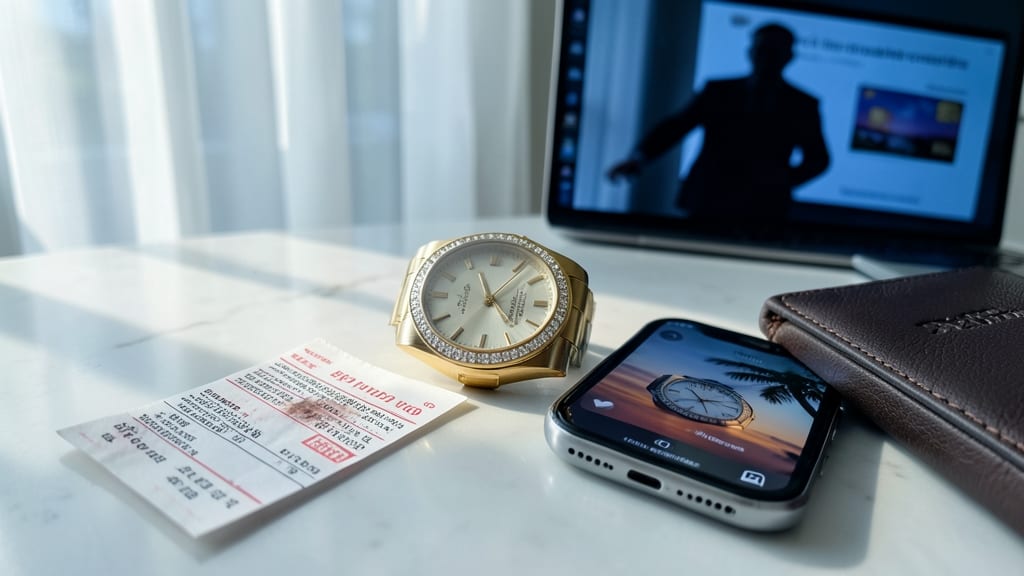
That Instagram post of your new $5,000 watch or vacation receipts might seem harmless—but criminals use them to profile you. A single overshared photo can trigger credit card skimming, fake investment pitches, or even luxury item theft when you’re away.
Fraudsters monitor social media for high-value purchases (like designer bags or electronics) to gauge your spending power. They’ll then send targeted phishing emails or call posing as "luxury concierge" services to exploit your trust. Even "thoughtful" posts about travel plans can signal empty homes—perfect timing for burglaries.
If you love showcasing your lifestyle, use private accounts or blur receipts before posting. Consider enabling two-factor authentication on financial apps to add extra protection. 💪
Legal Consequences From Admitting Crimes
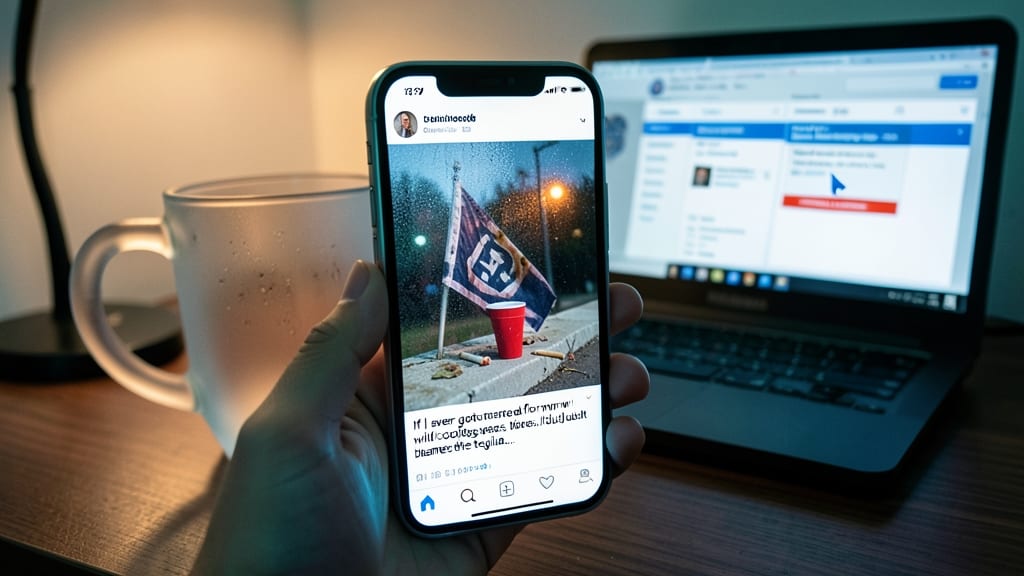
That offhand joke about your "wild college years" or a "minor traffic violation" might seem harmless—but law enforcement actively scours social media for digital breadcrumbs that could implicate you in a case. Courts have ruled that even hypothetical "what-if" posts (like "If I ever got arrested for hacking...") can be admitted as evidence of premeditation or intent.
Police departments now use AI-powered tools to flag suspicious language, and prosecutors have successfully tied defendants to crimes based on old tweets, memes, or "jokes" that later surfaced during investigations. Even deleted posts can resurface through archived screenshots or third-party data leaks. The risk isn’t just legal—it’s career-ending or life-altering if your words are twisted to fit a prosecutor’s narrative.
This isn’t just a legal technicality—it’s a real-world consequence for everyone from teens bragging about shoplifting to adults joking about workplace misconduct. Think twice before posting anything that could be misinterpreted or weaponized. 💻